
The DASH Diet for PCOS - Can it Help?
By Kristy Wiseman - Accredited Practising Dietitian
When you’re living with PCOS, it can feel confusing to know what way of eating actually helps. There’s so much information out there, and a lot of it is conflicting.
One eating pattern that’s getting more attention in the PCOS world is the DASH diet (Dietary Approaches to Stop Hypertension). You might have heard of it before because it was originally designed to help lower blood pressure. But research now shows it can also support insulin resistance, inflammation, hormone balance and overall metabolic health - all really important in PCOS.
Here’s a simple breakdown of how it works, what the research says, and how it compares to the Mediterranean Diet.

What exactly is the DASH diet?
Think of the DASH diet as a balanced, nourishing, whole foods way of eating.
It focuses on:
Lots of colourful vegetables and fruits
Wholegrains like oats, quinoa, brown rice
Lean proteins (fish, chicken, eggs, legumes, tofu)
Nuts, seeds, beans and legumes
Low fat dairy (or fortified plant alternatives)
Minimising highly processed foods and added sugars
Keeping salt on the lower side
It’s not restrictive. It doesn’t cut out food groups. And it’s flexible enough to personalise for fertility, PCOS, endometriosis or general hormone health.
Why might the DASH diet help with PCOS?
A high percentage of people with PCOS have some level of insulin resistance, which can make weight management harder, affect ovulation, and drive higher androgen (male hormone) levels.
The DASH diet naturally supports insulin balance because it’s:
Higher in fibre, which slows glucose absorption
Rich in antioxidants that help reduce inflammation
Focused on whole, unprocessed carbs (which usually have a lower glycaemic index)
Lower in added sugars
Rich in healthy fats, which keep you fuller for longer
Studies in women with PCOS found that following a DASH style diet for 8–12 weeks helped improve:
Insulin resistance,
Fasting insulin levels,
Body weight/BMI, and
In some studies, androgen levels (the hormones that drive symptoms like acne and unwanted hair).
Even without weight loss, diets like DASH improve insulin sensitivity in general populations, which is promising for PCOS overall.
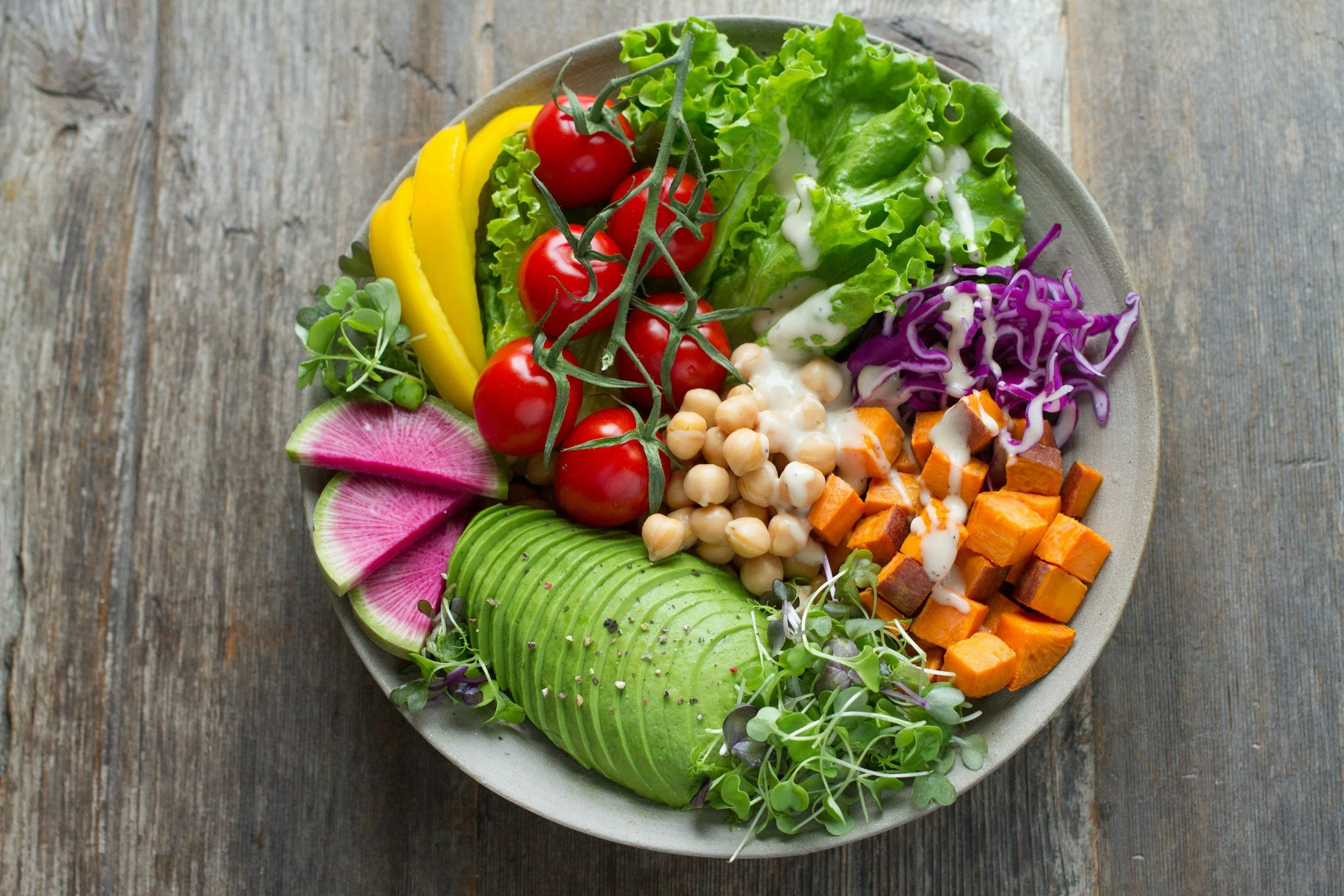
“This sounds like the Mediterranean Diet! What’s the difference?”
You’re right! They are very similar.
Both the DASH and Mediterranean Diets are anti-inflammatory, they focus on whole foods, and they both support hormone and metabolic health. That’s why they’re both great options for PCOS.
Both diets emphasise:
Plenty of colourful vegetables and fruits
Wholegrains
Legumes and beans, nuts and seeds
Healthy fats (especially from plant foods)
Lean proteins
Minimal processed foods and added sugars
So what’s different…
The DASH diet is:
Slightly lower in overall fat
Includes low fat dairy as a key component (where dairy is more optional in the Mediterranean Diet)
Has stricter recommendations around limiting salt intake, and,
Generally does not include alcohol as part of the pattern.
In practice, a lot of my clients blend the two - and that’s perfectly okay.
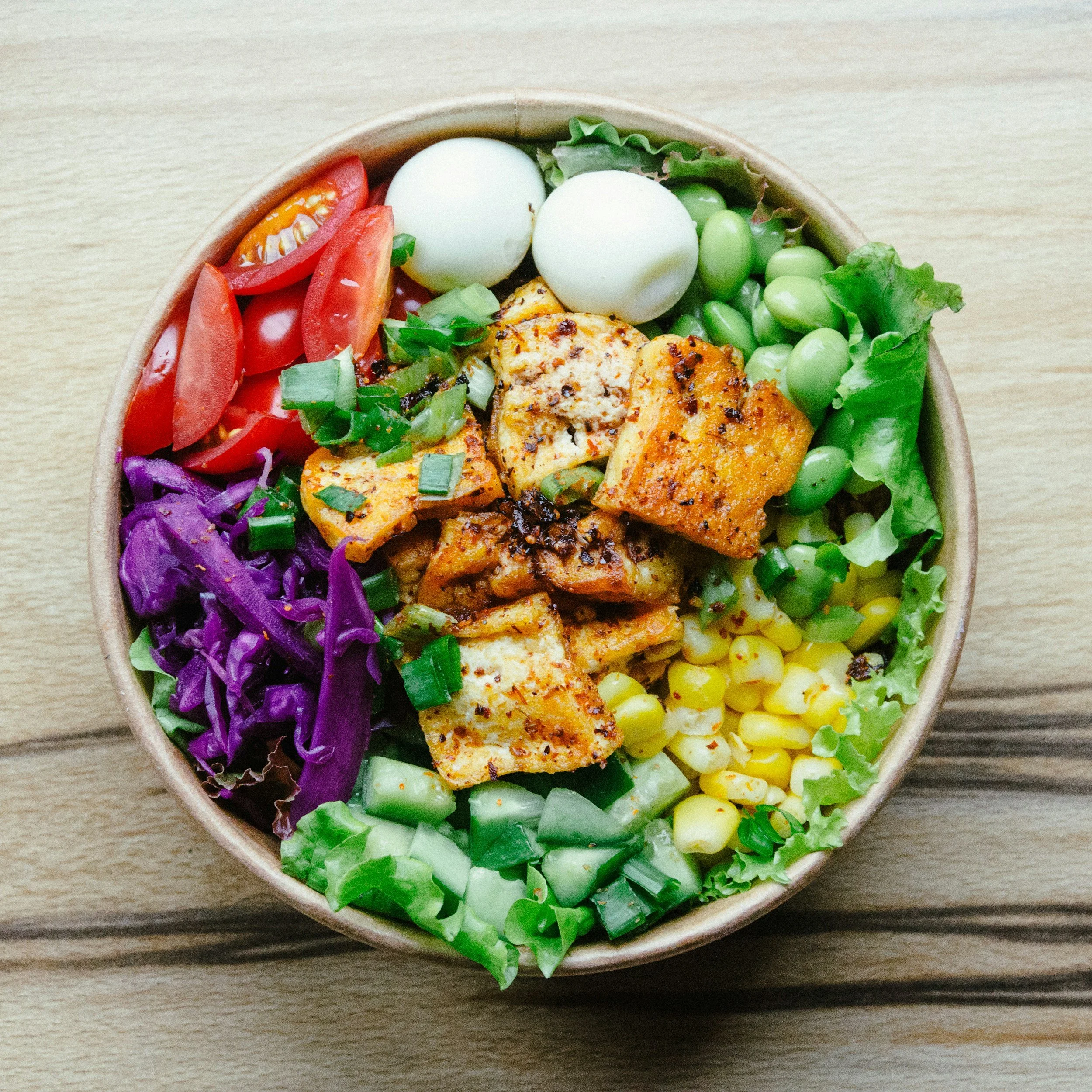
What could this look like for you?
BREAKFAST: Greek yoghurt + berries + chia seeds + sprinkle of oats
LUNCH: Wholegrain wrap with lean chicken or tofu, lots of salad, avocado and hummus
DINNER: Grilled salmon, roasted veggies, quinoa or sweet potato, a squeeze of lemon and a drizzle of olive oil
SNACKS: Handful of nuts OR fruit with nut butter OR dark chocolate + berries
The bottom line
The DASH diet is:
simple
balanced
nutrient dense
realistic
and backed by growing research for PCOS
It’s not the only diet that works, but it’s a fantastic option if you’re wanting to improve insulin sensitivity, support your hormones and feel more energised.
If you’re not sure where to start, or you want a personalised plan to support fertility or PCOS symptoms, that’s exactly what I help women with every day.
*Disclaimer:
This blog post provides general guidance only and is not intended to replace individualised dietary advice. Nutritional requirements vary based on body size, activity levels, life stage, and medical conditions. Always seek advice from an Accredited Practising Dietitian or qualified health professional before making changes to your diet.